1. Efficient Resource Use
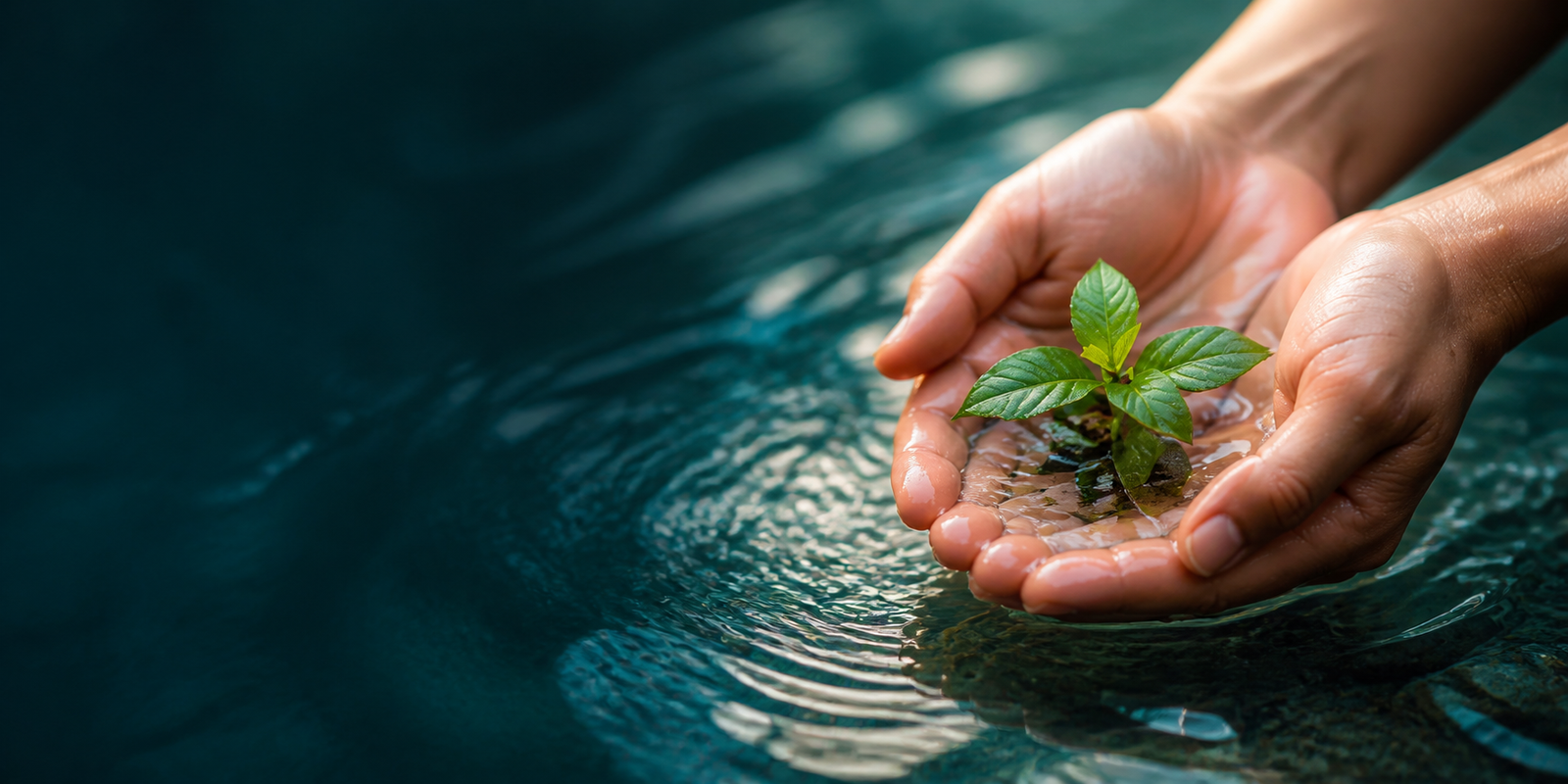
Aquaponics systems are designed to maximize the use of natural resources. Water is recirculated, nutrients are recycled, and the system mimics natural ecosystems, resulting in minimal waste and optimal efficiency.
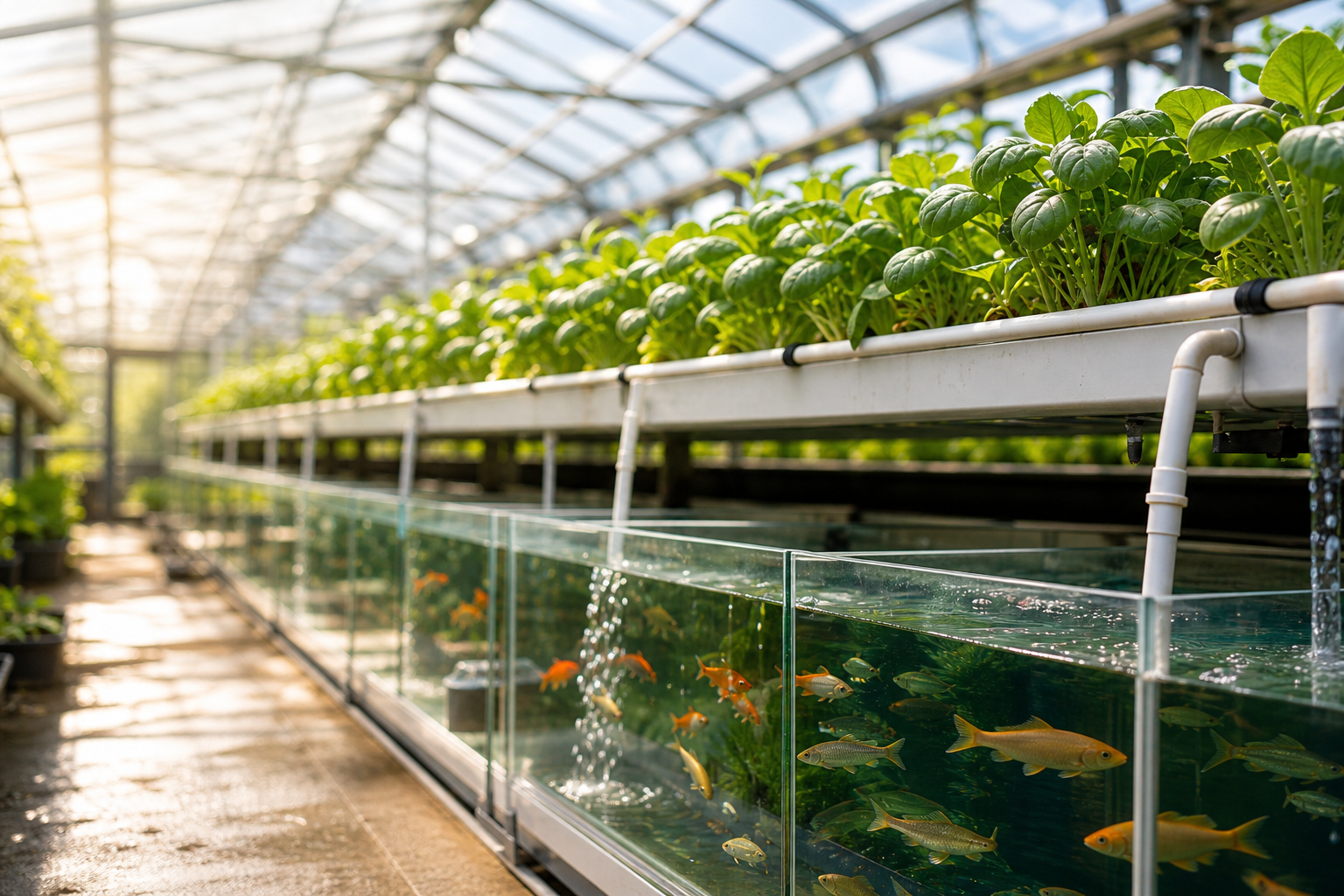
Aquaponics is a game-changer in sustainable agriculture, merging aquaculture (raising fish) and hydroponics (growing plants) in a highly efficient, eco-friendly system.
This innovative practice not only addresses global food security but also promotes environmental sustainability by conserving water, reducing waste, and minimizing the use of harmful chemicals.
Discover The Significance
Aquaponics systems are designed to maximize the use of natural resources. Water is recirculated, nutrients are recycled, and the system mimics natural ecosystems, resulting in minimal waste and optimal efficiency.
Traditional agriculture is one of the largest consumers of freshwater, yet aquaponics uses up to 90% less water. This is achieved by continuously cycling water between fish tanks and plant grow beds, reducing waste and preserving this critical resource.
Aquaponics eliminates the need for synthetic fertilizers and pesticides. Fish waste provides natural nutrients for plants, while the plants filter and purify the water for the fish, creating a balanced and sustainable ecosystem.
By supporting local food production, aquaponics reduces the carbon footprint associated with transporting food over long distances. Additionally, controlled environments enable year-round growing, reducing dependency on climate conditions.
Aquaponics offers a sustainable alternative to practices like overfishing and soil-intensive farming, helping to protect marine ecosystems and reduce habitat destruction.
Promoting A Better Tomorrow
Advocating for aquaponics is about more than just food—it’s about fostering a deeper understanding of our natural systems and how we can coexist with them sustainably.
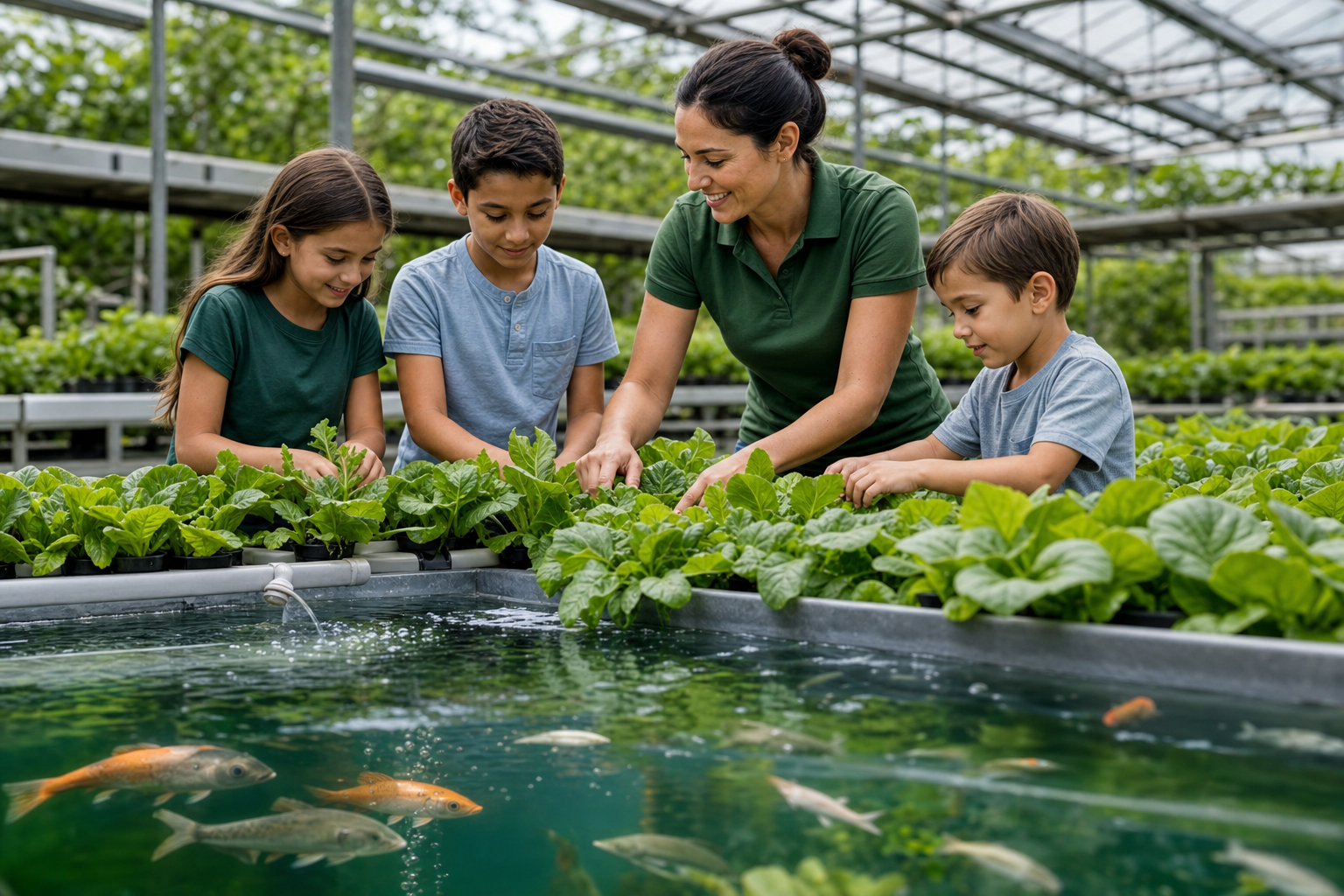
Aquaponics systems serve as living classrooms, demonstrating the interconnectedness of aquatic and terrestrial ecosystems. Schools can use these systems to teach water conservation, sustainable farming, and environmental stewardship.
Local aquaponics projects empower communities to grow their food sustainably, reducing reliance on external resources while promoting environmental awareness and self-sufficiency.
By reducing the costs of inputs like water and chemicals, aquaponics makes sustainable agriculture more accessible and profitable, encouraging broader adoption of environmentally friendly practices.
Aquaponics provides a viable solution for food production in areas with limited arable land or water scarcity, helping to combat hunger and malnutrition while protecting the environment.
Get involved with community aquaponics initiatives or start your own system to demonstrate its benefits firsthand.
Share information about aquaponics’ environmental impact through social media, events, and workshops. Highlight how this practice addresses global challenges like water scarcity, climate change, and food security.
Advocate for policies that support sustainable agriculture and aquaponics systems, such as subsidies, research funding, and educational programs.
Partner with schools, colleges, and community centers to integrate aquaponics into their curricula, fostering a new generation of environmentally conscious leaders.
At Soil To Stream, we believe aquaponics is more than just a farming technique—it’s a pathway to a sustainable future. By promoting its environmental benefits, we can inspire meaningful change and empower communities to take action.
Visit soiltostream.org to learn more about aquaponics, access resources, and discover how you can contribute to this transformative practice.
Together, we can cultivate a world where sustainability is the norm, not the exception. From soil to stream, let’s grow a greener future.